← Study home

Expert report · Wave 1

Executive answer

Adapt the Gen 5 platform.

They recognise the social barrier. We haven't shown that situational comms make anyone switch.

Keep push–pull. Open on a situation they live, then answer taste, satisfaction, cost or habit.

112

stimuli for 28 respondents

24 / 35

pairs won by product-led

28 / 13

cohort mean / SD

Finding 06

Confirm the pattern, or find the exception

Two jobs: does the qual pattern hold up, and who's worth another interview.

Use case 1

Qual at scale

See whether what you heard in interviews holds up when you score it at scale.

Use case 2

Leads for IDIs

Who breaks the pattern, why, and what to ask them first — section 07.

Use case 3

Upload & compare

Put your own written findings next to this: what agrees, what conflicts, what's missing.

Not for

Stakeholder decks

Working material. Read it without the method and it will mislead you.

Finding 01 · Decision summary

People recognise it — that doesn't mean they'll switch

Good territory to build on. Not proof anyone will move.

Recognised

Smell and social moments give people something real to react to.

Understood

Product-led wins 24 of 35 head-to-heads.

Not proven

44 up, 20 down against their own starting point. Intent was barely asked.

Finding 01b · Answers to the brief

The trigger is right, the lever is wrong

Straight answers. Where this wave can't answer, we say so instead of guessing.

Core question

Partly

Does Gen 5 speak to the real switching struggle?

It names a struggle they recognise — just not the one that keeps them smoking. Keep the territory, but don't expect it to switch anyone on its own.

Evidence · Smell and awkward moments come up unprompted. When they tell us why they stay, it's taste, satisfaction, habit, cost, convenience.

1. Job recognition

Partly

Do the four push contexts land unprompted?

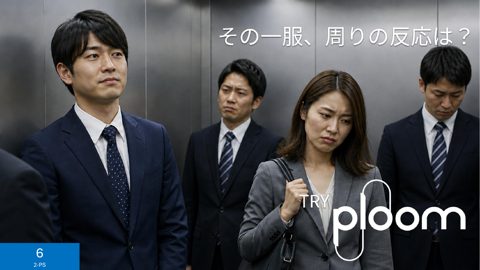
Two of the four. Car and stuck-indoors-in-bad-weather feel lived. Waiting splits the room. The elevator doesn't land.

Evidence · Car 3 lived / 3 didn't get it · Home 4 / 2 · Waiting 2 lived, 1 said it feels like an ad, 1 didn't get it · Workplace 2 / 1 · Elevator 1, didn't get it.

Yes

Which feel lived rather than plausible?

Indoors when it's raining, and the car. The balcony works as an indoors-versus-outdoors feeling — nobody actually talked about balconies.

Evidence · Going out for a cigarette at work and coming back in; stubbing one out when a passenger complains.

Yes

What do the four contexts miss?

Cost, the ritual and taste of a cigarette, the hassle of ashtrays and charging, and where you're allowed to smoke at all.

Evidence · Asked why they don't switch, unprompted: price, flavour, ritual, convenience, indoor rules.

2. Comprehension and relevance

Yes

Do push executions name the real friction?

Yes. Smell, and not bothering the people around you, get read back to us without any help.

Evidence · Stopping when someone complains; wanting nicotine without leaving the group.

Partly

Do pull executions resolve it credibly?

They understand it's meant to fix the problem; we rarely pushed on whether they believed it. Understood isn't the same as believed.

Evidence · Believability wasn't coded in most sessions — that's a hole in our evidence, not a fail.

Partly

Does push + pull read as one story?

Inside one execution, yes. Across executions, no — the product-led one carries the story on its own, the situation-only one doesn't.

Evidence · Product-led beat situation-led in most head-to-heads.

Can't tell from this wave

Which car copy variant (A/B/C) wins?

We never ran the car executions as A/B/C copy variants.

Evidence · The coded executions are TST and FCTN only.

Can't tell from this wave

Situation versus craft — anime and copy-only?

Neither was shown, so we can't separate the craft from the situation.

Evidence · No anime or copy-only stimulus in the coded material.

3. Switching potential

Partly

Ignore, notice, search or try?

Where we asked: 5 try, 1 search, 2 notice, 2 ignore. We didn't ask in 18 of 28 sessions — the weakest part of the evidence.

Evidence · Intent only exists where we actually put the post-exposure question.

No

Does it create confidence to act?

No. People agree the problem is real; almost nobody tells us what they'd do next.

Evidence · Some scores go up, some go down, no consistent movement.

Can't tell from this wave

Do droppers and dualists differ?

Too thin to say. Droppers: 2 try / 2 notice / 1 ignore / 10 not asked. Dualists: 2 try / 1 search / 1 ignore / 5 not asked.

Evidence · 28 interviews: 15 droppers, 9 dualists, 4 cigarette-only.

4. Strategic trade-off

Partly

Where does trust come from?

From claims people can check against their own experience. The situation earns a nod; the product earns belief.

Evidence · Product-led wins most head-to-heads; people described the situational ones rather than believed them.

No

Is the barrier social or product performance?

The trigger is social. The barrier is product performance.

Evidence · Why they stay: taste, habit, cost, ease of buying, no ashtray, indoor use.

No

Why do droppers go back to cigarettes?

Taste, ritual, satisfaction — not the social friction we're writing to.

Evidence · Other products get described as bitter or just not their taste.

Partly

Differentiated space, or wrong lever?

It's differentiated space, but the wrong lever on its own. Open with the situation, close with product performance.

Evidence · No competitive comms audit in this material.

The output question

Partly

Right trigger, right vehicle?

Right trigger, wrong lever. Nothing here shows that naming the friction moves anyone. The model gets us in the door; product performance has to do the persuading.

Evidence · Recognition is there across 28 interviews; we captured intent in 10.

Low confidenceWe never fielded copy variants, anime or copy-only versions, the balcony context, or a competitive audit — so none of that is in here.

Finding 01c · The visual system

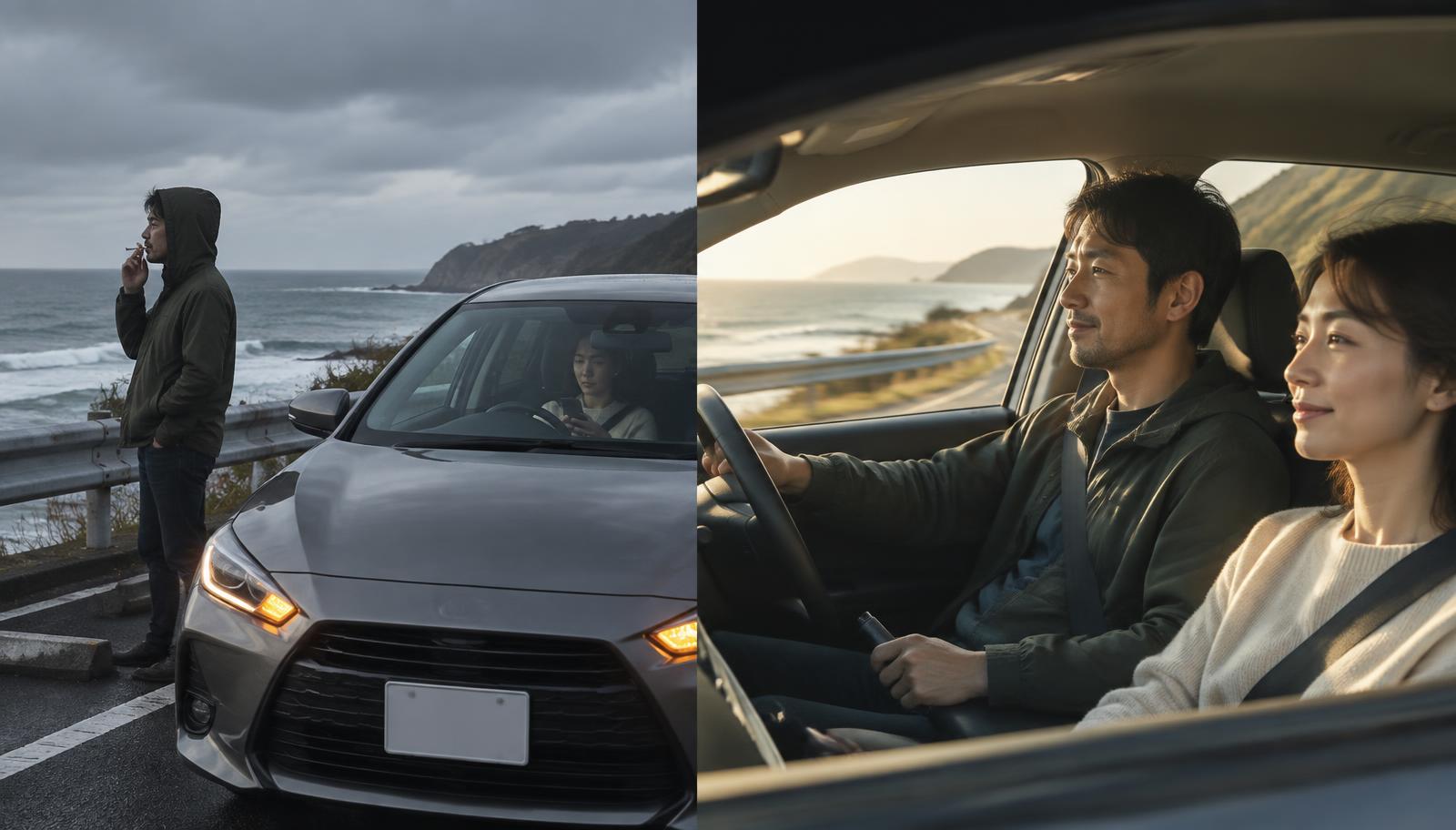
Same person. Ten minutes apart.

Keep the situation. Remove the judgement.

The one rule from the data

Nobody on the left is being judged.

Alone with the cost: outside, waiting, walking, enduring. No grimaces. No coughing. No side-eye.

Sacrifice / 45Relief / 55
Workplace · lead execution execution: A smoke that doesn't leave the room.

01 · Workplace · lead execution

席を外さない一服を。

No smoking room left inside the company. The highest-recognition sacrifice in the interviews.

Push

一服のたびに、席を外す。

Every smoke, I leave the room.

Pull

席を外さない一服を。

A smoke that doesn't leave the room.

77

Importance

56

Satisfaction

Keep the situation. Remove the judgement.

Home · strongest pull execution: Rainy days — in the room.

02 · Home · strongest pull

雨の日は、部屋で。

The home pull scored highest. The cost is being forced outside — not being alone.

Push

雨の日も、ベランダで。

Rainy days too — on the balcony.

Pull

雨の日は、部屋で。

Rainy days — in the room.

76

Importance

80

Satisfaction

Inside versus outside. Never lonely versus social.

Waiting · friends execution: A smoke in the middle of the story.

03 · Waiting · friends

話の途中で、一服を。

The cost people named was missed time and exclusion — not keeping friends waiting.

Push

一服のあいだに、話は進んでる。

While you're out for a smoke, the story moves on.

Pull

話の途中で、一服を。

A smoke in the middle of the story.

75

Importance

55

Satisfaction

You do not delay them. You miss it.

Car · drive-break version execution: A smoke without stopping.

04 · Car · drive-break version

停まらずに、一服を。

The pull had the strongest contextual fit. The push only works as a safe roadside stop.

Push

一服のために、一度停まる。

Stop once, for a smoke.

Pull

停まらずに、一服を。

A smoke without stopping.

70

Importance

46

Satisfaction

Never show smoking at the wheel.

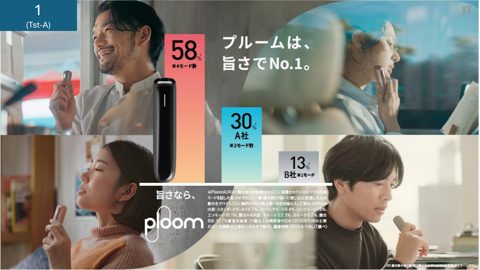
Taste proof · switching lever execution: Your taste, set to you.

05 · Taste proof · switching lever

旨さを、自分仕様に。

Smell-freedom is table stakes. Taste, customisation, battery and price are the reasons to switch.

Push

選べる4つの加熱モード

Four heating modes to choose from.

Pull

旨さを、自分仕様に。

Your taste, set to you.

8 respondents named taste unaided. “I can change my taste. This is the most attractive one to me.”

One campaign. Two reasons to move.

01 / Primary

Dualists & current heated-tobacco users

Run situations 1–4 as the backdrop. Lead with taste proof. Their social job is solved; they switch for taste, customisation, battery and price.

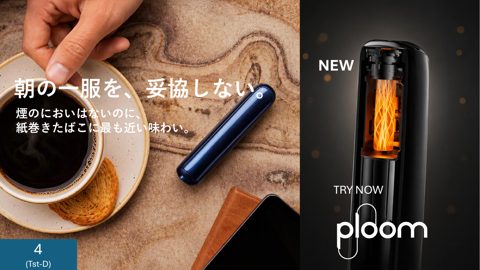
妥協してきた旨さを、自分仕様に。

The taste you've been compromising on, set to you.

02 / Secondary

RMC soloists

Run situations 1–3 as the lead, then taste in its coffee-morning form. Preserve the relaxation ritual and the robust taste cue.

紙巻きに一番近い味わい。手放すのは、我慢だけ。

The closest taste to a cigarette. Give up only the enduring.

What the data says not to shoot.

01

No bystander reactions

02

No smoking at the wheel

03

No lonely framing

04

No anime or illustration

05

No device-only key visuals

06

No nature overlays

07

No health or harm language

08

No bold type or exclamation marks

Finding 02

Each person is their own control

Everything is measured against each person's own starting point, so one generous scorer can't skew the story.

Every score is compared to where that same person started.

20
48
44
down 8 or more20 of 112no real move48 of 112up 8 or more44 of 112

We read lift-from-baseline first. The thirds (21 and 33 here) are a sense-check, nothing more.

IndicativeThese bands come from our own wave-1 data — there's no Japanese norm behind them.

Finding 03

2 PL, TST C and 3 PL lead

1 PS and the pair-4 executions trail. On raw scores, the order mostly tracks who talked most.

Sort:
StimulusnMean scoreMean liftLiftsDepresses
Still frame from stimulus 3 PL3 PLPL
835+14
30
Still frame from stimulus 2 PL2 PLPL
835+13
70
FCTN AFCTN
835+13
31
Still frame from stimulus 3 PS3 PSPS
832+11
31
Still frame from stimulus TST CTST CTST
731+10
30
FCTN BFCTN
637+9
31
Still frame from stimulus 4 PL4 PLPL
231+5
10
Still frame from stimulus 2 PS2 PSPS
826+5
52
Still frame from stimulus FCTN CFCTN CFCTN
428+4
31
Still frame from stimulus 1 PL1 PLPL
1127+4
42
TST BTST
328+3
21
Still frame from stimulus 1 PS1 PSPS
1124+1
23
Still frame from stimulus TST ATST ATST
1327+1
44
Still frame from stimulus 4 PL A4 PL APL
621-3
12
Still frame from stimulus TST DTST DTST
122-4
00
Still frame from stimulus 4 PS4 PSPS
819-6
02
Pack codes on the stimulus stills:FF = Full Flavourthe full-strength end of the cigarette range — tar 14 down to 10 mg.LTN = lighter strengththe lighter end of the cigarette range — tar 8 down to 6 mg.

Low confidenceOne to five reads per stimulus, and FCTN C is a single interview. Use this to shortlist for wave 2, not to call a winner.

Finding 04

Product-led beats problem-led

Product-led won 24 of 35 head-to-heads across all 28 interviews. Same person both times, so talkativeness doesn't skew it.

R1 · Pair 3
5056
R2 · Pair 3
4138
R3 · Pair 1
1527
R4 · Pair 3
68
R4 · Pair 4
616
R5 · Pair 2
3038
R5 · Pair 3
2652
R6 · Pair 1
2155
R6 · Pair 4
3233
R7 · Pair 3
1428
R7 · Pair 4
1825
R8 · Pair 1
157
R9 · Pair 1
1428
R9 · Pair 2
1934
R10 · Pair 1
2821
R10 · Pair 4
2625
R11 · Pair 1
1611
R11 · Pair 4
1111
R12 · Pair 1
2521
R13 · Pair 2
2324
R14 · Pair 2
1019
R15 · Pair 1
4035
R16 · Pair 1
2315
R17 · Pair 4
1118
R18 · Pair 2
2443
R19 · Pair 3
5123
R20 · Pair 2
3441
R21 · Pair 3
4147
R22 · Pair 1
3643
R23 · Pair 1
3338
R24 · Pair 4
1924
R25 · Pair 2
2431
R26 · Pair 2
4447
R27 · Pair 3
2625
R28 · Pair 4
3036

Top bar problem-led, bottom bar product-led. Blue where product-led wins.

Indicative35 pairs across 28 people. The direction is real; the size of it isn't.

Appendix A1

Every score, if you want to check us

The individual scores behind every claim above — including the thin cells.

Resp.BaseStill frame from stimulus 3 PL3 PLStill frame from stimulus 2 PL2 PLFCTN AStill frame from stimulus 3 PS3 PSStill frame from stimulus TST CTST CFCTN BStill frame from stimulus 4 PL4 PLStill frame from stimulus 2 PS2 PSStill frame from stimulus FCTN CFCTN CStill frame from stimulus 1 PL1 PLTST BStill frame from stimulus 1 PS1 PSStill frame from stimulus TST ATST AStill frame from stimulus 4 PL A4 PL AStill frame from stimulus TST DTST DStill frame from stimulus 4 PS4 PS
R17
+49
+31
+43
+37
R242
-4
-1
+3
-2
R327
+21
0
-12
-12
R46
+2
0
+10
0
R525
+27
+13
+1
+5
R644
+11
-23
-11
-12
R724
+4
-10
+1
-6
R810
+1
-3
+5
-2
R97
+27
+12
+21
+7
R1023
+2
-2
+5
+3
R1111
0
+5
0
0
R1215
+53
+6
+10
+10
R1314
+10
+2
+4
+9
R1424
-5
-14
-20
-18
R1548
-10
-13
-8
-6
R1624
+46
-9
-1
-14
R1736
-19
-17
-18
-25
R1833
+10
-17
-9
-2
R1927
-4
+1
+24
-2
R2022
+19
+12
+8
+14
R2118
+29
+26
+23
+21
R2231
+9
+12
+5
+13
R2315
+21
+19
+23
+18
R2426
-5
-2
-4
-7
R2512
+19
+17
+15
+12
R2635
+12
+9
+10
+7
R2720
+5
+4
+6
+8
R2828
+5
+3
+8
+2

Colours follow whichever yardstick you picked in section 02. Dashed cells mean we never showed it to them.

Appendix A2

Individual patterns explain the uneven average

R5 and R9 respond; R8 and R10 stay flat; R3 and R6 move down.

R1

baseline 7

4 of 4 stimuli lift, 0 depress. Mean stimulus score 47.

R2

baseline 42

0 of 4 stimuli lift, 0 depress. Mean stimulus score 41.

R3

baseline 27

1 of 4 stimuli lift, 2 depress. Mean stimulus score 26.

R4

baseline 6

1 of 4 stimuli lift, 0 depress. Mean stimulus score 9.

R5

baseline 25

2 of 4 stimuli lift, 0 depress. Mean stimulus score 37.

R6

baseline 44

1 of 4 stimuli lift, 3 depress. Mean stimulus score 35.

R7

baseline 24

0 of 4 stimuli lift, 1 depress. Mean stimulus score 21.

R8

baseline 10

0 of 4 stimuli lift, 0 depress. Mean stimulus score 10.

R9

baseline 7

3 of 4 stimuli lift, 0 depress. Mean stimulus score 24.

R10

baseline 23

0 of 4 stimuli lift, 0 depress. Mean stimulus score 25.

R11

baseline 11

0 of 4 stimuli lift, 0 depress. Mean stimulus score 12.

R12

baseline 15

3 of 4 stimuli lift, 0 depress. Mean stimulus score 35.

R13

baseline 14

2 of 4 stimuli lift, 0 depress. Mean stimulus score 20.

R14

baseline 24

0 of 4 stimuli lift, 3 depress. Mean stimulus score 10.

R15

baseline 48

0 of 4 stimuli lift, 3 depress. Mean stimulus score 39.

R16

baseline 24

1 of 4 stimuli lift, 2 depress. Mean stimulus score 30.

R17

baseline 36

0 of 4 stimuli lift, 4 depress. Mean stimulus score 16.

R18

baseline 33

1 of 4 stimuli lift, 2 depress. Mean stimulus score 29.

R19

baseline 27

1 of 4 stimuli lift, 0 depress. Mean stimulus score 32.

R20

baseline 22

4 of 4 stimuli lift, 0 depress. Mean stimulus score 35.

R21

baseline 18

4 of 4 stimuli lift, 0 depress. Mean stimulus score 43.

R22

baseline 31

3 of 4 stimuli lift, 0 depress. Mean stimulus score 41.

R23

baseline 15

4 of 4 stimuli lift, 0 depress. Mean stimulus score 35.

R24

baseline 26

0 of 4 stimuli lift, 0 depress. Mean stimulus score 22.

R25

baseline 12

4 of 4 stimuli lift, 0 depress. Mean stimulus score 28.

R26

baseline 35

3 of 4 stimuli lift, 0 depress. Mean stimulus score 45.

R27

baseline 20

1 of 4 stimuli lift, 0 depress. Mean stimulus score 26.

R28

baseline 28

1 of 4 stimuli lift, 0 depress. Mean stimulus score 33.

Score this any other way and a Japanese sample flattens even harder.

Finding 07

Insight bubbles name the follow-up interviews

22 respondents don't fit the main pattern. For each: why, and the question we'd open with.

Insight bubbles

22 leads

Each bubble is someone who doesn't fit. Bigger bubble, more contradictions. Tap one for the reason and the opener we'd use when we call them back.

Why R1 stands out

Highly responsive

4 of 4 stimuli lifted them, with none depressing — an unusually responsive read.

Open the interview with

You reacted strongly to most of these. Which one would actually change what you buy, and why?

R1

baseline 7

Why they stand out

4 of 4 stimuli lifted them, with none depressing — an unusually responsive read.

Open the interview with

You reacted strongly to most of these. Which one would actually change what you buy, and why?

R2

baseline 42

Why they stand out

Problem-led framing scored higher than product-led in 1 of their pairs — the reverse of the cohort pattern. Nothing shown to them moved the reading in either direction.

Open the interview with

Walk me through the last time the smell or the situation actually caused you a problem. What did you do?

R5

baseline 25

Why they stand out

2 of 4 stimuli lifted them, with none depressing — an unusually responsive read.

Open the interview with

You reacted strongly to most of these. Which one would actually change what you buy, and why?

R8

baseline 10

Why they stand out

Problem-led framing scored higher than product-led in 1 of their pairs — the reverse of the cohort pattern. Nothing shown to them moved the reading in either direction.

Open the interview with

Walk me through the last time the smell or the situation actually caused you a problem. What did you do?

R9

baseline 7

Why they stand out

3 of 4 stimuli lifted them, with none depressing — an unusually responsive read.

Open the interview with

You reacted strongly to most of these. Which one would actually change what you buy, and why?

R10

baseline 23

Why they stand out

Problem-led framing scored higher than product-led in 2 of their pairs — the reverse of the cohort pattern. Nothing shown to them moved the reading in either direction.

Open the interview with

Walk me through the last time the smell or the situation actually caused you a problem. What did you do?

R11

baseline 11

Why they stand out

Problem-led framing scored higher than product-led in 1 of their pairs — the reverse of the cohort pattern. Nothing shown to them moved the reading in either direction.

Open the interview with

Walk me through the last time the smell or the situation actually caused you a problem. What did you do?

R12

baseline 15

Why they stand out

Problem-led framing scored higher than product-led in 1 of their pairs — the reverse of the cohort pattern. 3 of 4 stimuli lifted them, with none depressing — an unusually responsive read.

Open the interview with

Walk me through the last time the smell or the situation actually caused you a problem. What did you do?

R13

baseline 14

Why they stand out

2 of 4 stimuli lifted them, with none depressing — an unusually responsive read.

Open the interview with

You reacted strongly to most of these. Which one would actually change what you buy, and why?

R14

baseline 24

Why they stand out

3 of 4 stimuli pushed them below their own opening score.

Open the interview with

What was it about those messages that put you off rather than pulled you in?

R15

baseline 48

Why they stand out

Problem-led framing scored higher than product-led in 1 of their pairs — the reverse of the cohort pattern. 3 of 4 stimuli pushed them below their own opening score.

Open the interview with

Walk me through the last time the smell or the situation actually caused you a problem. What did you do?

R16

baseline 24

Why they stand out

Problem-led framing scored higher than product-led in 1 of their pairs — the reverse of the cohort pattern.

Open the interview with

Walk me through the last time the smell or the situation actually caused you a problem. What did you do?

R17

baseline 36

Why they stand out

4 of 4 stimuli pushed them below their own opening score.

Open the interview with

What was it about those messages that put you off rather than pulled you in?

R19

baseline 27

Why they stand out

Problem-led framing scored higher than product-led in 1 of their pairs — the reverse of the cohort pattern.

Open the interview with

Walk me through the last time the smell or the situation actually caused you a problem. What did you do?

R20

baseline 22

Why they stand out

4 of 4 stimuli lifted them, with none depressing — an unusually responsive read.

Open the interview with

You reacted strongly to most of these. Which one would actually change what you buy, and why?

R21

baseline 18

Why they stand out

4 of 4 stimuli lifted them, with none depressing — an unusually responsive read.

Open the interview with

You reacted strongly to most of these. Which one would actually change what you buy, and why?

R22

baseline 31

Why they stand out

3 of 4 stimuli lifted them, with none depressing — an unusually responsive read.

Open the interview with

You reacted strongly to most of these. Which one would actually change what you buy, and why?

R23

baseline 15

Why they stand out

4 of 4 stimuli lifted them, with none depressing — an unusually responsive read.

Open the interview with

You reacted strongly to most of these. Which one would actually change what you buy, and why?

R24

baseline 26

Why they stand out

Nothing shown to them moved the reading in either direction.

Open the interview with

Nothing we showed changed how you felt. What would have to be true for it to matter?

R25

baseline 12

Why they stand out

4 of 4 stimuli lifted them, with none depressing — an unusually responsive read.

Open the interview with

You reacted strongly to most of these. Which one would actually change what you buy, and why?

R26

baseline 35

Why they stand out

3 of 4 stimuli lifted them, with none depressing — an unusually responsive read.

Open the interview with

You reacted strongly to most of these. Which one would actually change what you buy, and why?

R27

baseline 20

Why they stand out

Problem-led framing scored higher than product-led in 1 of their pairs — the reverse of the cohort pattern.

Open the interview with

Walk me through the last time the smell or the situation actually caused you a problem. What did you do?

IndicativeA lead is a hunch, not a segment. The value is knowing who to call back.

Appendix A3

We heard the job before we showed anything

Everything on this page comes from a 60-minute conversation that asks about the struggle before it shows a single stimulus.

We wanted three things: do they recognise the struggle, does the comms feel relevant, does it make switching feel doable. Conversational, anchored in what they actually do, neutral probes.

1

Introduction5 min

Frame: how you choose and use your packs.

2

Background5 min

Who they are; what they smoke now and used to smoke.

3

The job, unprompted10 min

The last time their current product let them down. Nothing shown yet — this becomes the baseline.

4

Context stimuli10 min

Four unbranded context images: what's going on here, is this you?

5

Execution evaluation20 min

Two executions each — the scores on this page.

6

Trade-off10 min

Visuals matched to whatever barrier they raised.

IndicativeStage 5 is where the scores come from; stage 3 is what we compare them against. This is working material for researchers, not a finished report.

Finding 05

Odour and social friction make it concrete

Why product-led lands: odour, colleagues, and not annoying the people you drive with.

Social exclusion is the live wire

I've been in situations where I have friends go away or be excluded from a conversation because they don't like the smell of smoke, so me and my smoke buddies just continued the conversation without them, which I feel very, very sad about.
Respondent 1

Inertia, not loyalty

I'm using it because it's not broken. So it's kind of like a new phone — a new model comes out, yeah, maybe I'll buy it. I already know it works, so I don't really see a need to change it.
Respondent 1

Product-led framing lands as relief

It feels quite relevant and appealing because I often drive with others and want to avoid annoying them with smoke or smell.
Respondent 5

Odour as a work-life risk

It feels very relevant in a workplace setting because avoiding odour is important when talking to colleagues or clients after taking a break.
Respondent 5

Already living the behaviour

It's definitely appealing to me, and I do it myself sometimes. I don't smoke in the car very often, but when I do want to, I always like to have my IQOS with me.
Respondent 10

Switching triggers are functional

I would say cheaper products, or easier use — less need for charging.
Respondent 3

IndicativeCleaned up for filler words only. These were all said in English, so we're missing Japanese nuance.

Appendix A4

The weak spots, labelled

Five problems we flagged. Each is either fixed in this report or marked where it sits.

The scoring bands were imported, not derived

Was

Scores were read against imported cut-offs built on a different cohort in a different category, which called most of the wave one long suppression problem and separated nothing.

Now

Those thresholds are gone. Every chart is re-normed to this wave: within-respondent lift against each person's own baseline, with cohort tertiles at 17 and 29 as a cross-check.

Wave 1 is working material, not a market read

Was

The first read treated the wave as if it were a representative market result.

Now

No finding on this page is stated as a market result. Wave 1 is presented as a method demonstration and expert working material, and every cut carries an explicit confidence label.

Profile cuts were reported as if they were segments

Was

Age, gender and product-use splits were being read as differences, on cells of one to three people.

Now

Profile cuts are marked indicative and shown with their n. Nothing with n < 5 is described as a difference; it is described as something to test.

Sensitivity and intensity were treated as measures

Was

S and I sat alongside K as if they were three independent readings.

Now

43 of 54 S/I values are the default 50, so they carry almost no information. They are reported as a data-quality note, not as findings.

Stimulus rank was read off raw score

Was

A stimulus scoring 50 for a highly expressive respondent outranked one scoring 20 for a reserved one.

Now

The leaderboard ranks on mean lift from baseline, with raw score kept alongside so both are auditable.

One more: most sensitivity and intensity scores sit at the default 50 — the capture didn't work, so ignore those.

Appendix A5

Wave 2 turns recognition into a behavioural test

Five fixes, in order of how much they'd change what we're allowed to claim.

  1. 1Recruit and interview in Japanese, with Japanese stimuli.
  2. 2Build Japanese norms before we band anything.
  3. 3Show everyone both halves of at least two pairs, by design.
  4. 4Fix the sensitivity and intensity capture, or drop it.
  5. 5Set cell size before fielding — 8 to 10 per profile cut.

Finding 08

Read your own report against this one

Three questions: what agrees, what conflicts, what you missed.

What agrees?

Take each of your written insights and find it above. If it shows up here too, that's an independent second read.

What conflicts?

Start with sections 04 and 06 — reversals and flat respondents are where qual usually fails to reproduce.

What's missing?

Section 07 — patterns in the scores a 16-interview qual would never show you.

Quickest way: download the text file, give it to your AI alongside your own report, and ask where they disagree.